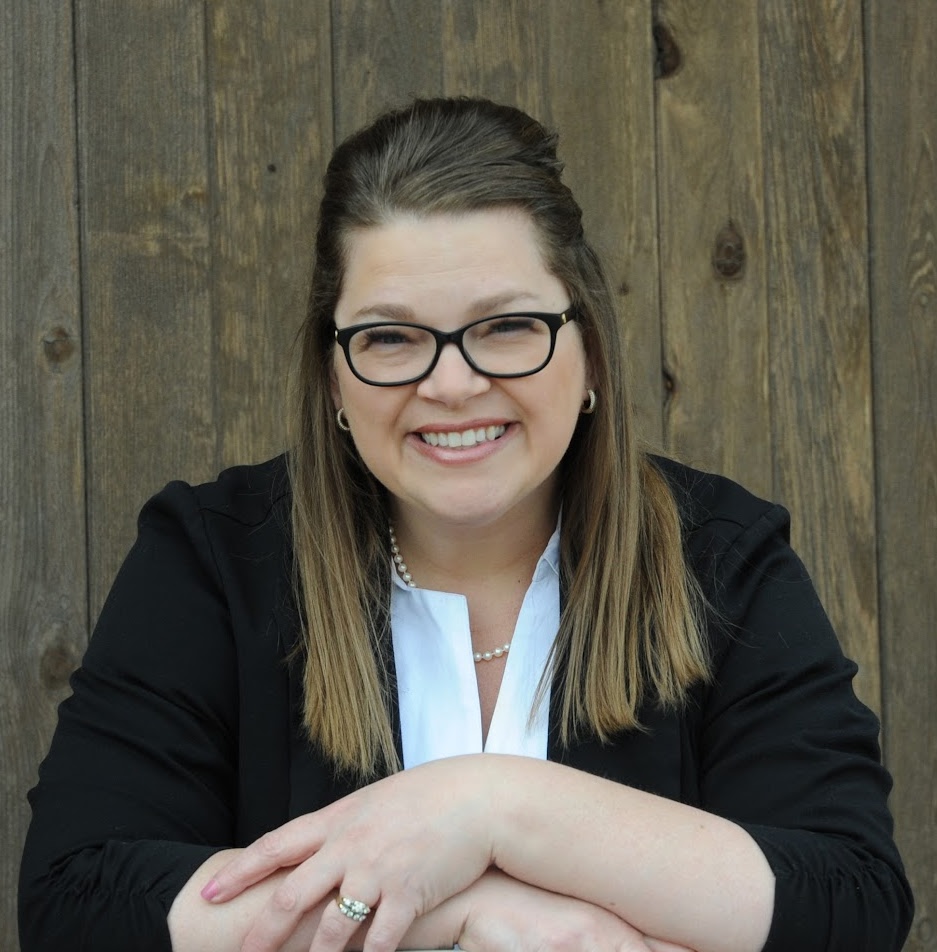
In Alturas, Heather Hadwick lives with her husband, Bryon, and their children and owns and operates Hadwick Family Farm Pumpkin Patch in Modoc County. Before joining the Assembly, her public work centered on the emergencies rural communities prepare for and endure: school safety, wildfire, flooding, evacuation and recovery. She served in the Modoc County Office of Education, the county Office of Emergency Services and the Sheriff’s Office. Voters sent her to the Assembly in 2024 after she defeated fellow Republican Tenessa Audette. Her assignments now include agriculture, emergency management, the state budget, insurance, and business and professions—the government posts closest to much of her earlier work.
THE JOB BEFORE THE JOB
Hadwick attended Shasta College and earned a master’s degree in leadership and management from CSU Chico. At the Modoc County Office of Education, she worked as a public safety teacher and handled safety and preparedness for local schools.
She also served Modoc County as Deputy Office of Emergency Services Director and worked as a Public Information Officer at the Sheriff’s Office. The duties were practical and immediate. Hadwick organized evacuations during wildfires and flooding, coordinated support and managed recovery. She also assisted on neighboring wildfires, including the Bootleg, Dixie and McKinney fires.
These were jobs in which county government met residents during evacuations and in the difficult period afterward. Across those roles, her work included school safety and preparedness, organizing evacuations, coordinating support, managing recovery and serving as a Public Information Officer. Hadwick entered the Assembly with that county-level experience and with an operating farm in Modoc County, two parts of her background that recur in her committee assignments and policy record.
THE FIRST YEAR
Hadwick campaigned on lowering taxes, supporting local farmers and small businesses, promoting public safety and wildfire prevention, and addressing homelessness. In her first year in office, she secured more than $100 million in state funding for projects and programs benefiting the 1st Assembly District. The money supported wildfire recovery, rural infrastructure and community services across the district.
She also authored six bills that were signed into law. Her committee posts put her in several of the rooms where the district’s recurring concerns are handled: she serves as vice chair of both the Agriculture Committee and the Emergency Management Committee. She is also assigned to the Budget, Business and Professions, and Insurance committees.
In March 2026, Hadwick was named Deputy Republican Floor Leader. The position added a role in the Assembly Republican leadership to a first-year record already centered on district funding and rural programs. Her committee portfolio remains broad, but its two vice chairmanships—agriculture and emergency management—track closely with her work before election.
THE POLICY SIGNATURE
Hadwick’s clearest policy signature is the financing of rural recovery and protection against losses that fall heavily on residents, ranchers and county governments. She secured $2 million for the California Wolf Livestock Compensation Program, which provides financial assistance to ranchers for livestock losses associated with wolf activity. The program provides compensation for livestock losses associated with wolf activity.
On wildfire recovery, Hadwick supported and advanced a $58 million wildfire settlement tax exemption. The exemption provided tax relief to people receiving settlements connected to major wildfire events during a defined eligibility period. Her work on the Secure Rural Schools Reauthorization Program addressed another recurring pressure on rural government. She helped secure state support for the program, which provides funding to rural counties affected by declining federal timber revenues.
Taken together with the district’s state funding for infrastructure, recovery and community services, the beneficiaries in Hadwick’s record are specific: wildfire survivors, livestock producers, rural counties and the local services those counties support. Her campaign ranged from taxes to homelessness, but her policymaking record is most developed where agriculture, disaster response and rural public finance meet.
- State Assembly · Assembly District 1 · 2024–present
In Alturas, Heather Hadwick lives with her husband, Bryon, and their children and owns and operates Hadwick Family Farm Pumpkin Patch in Modoc County. Before joining the Assembly, her public work centered on the emergencies rural communities prepare for and endure: school safety, wildfire, flooding, evacuation and recovery. She served in the Modoc County Office of Education, the county Office of Emergency Services and the Sheriff’s Office. Voters sent her to the Assembly in 2024 after she defeated fellow Republican Tenessa Audette. Her assignments now include agriculture, emergency management, the state budget, insurance, and business and professions—the government posts closest to much of her earlier work.
THE JOB BEFORE THE JOB
Hadwick attended Shasta College and earned a master’s degree in leadership and management from CSU Chico. At the Modoc County Office of Education, she worked as a public safety teacher and handled safety and preparedness for local schools.
She also served Modoc County as Deputy Office of Emergency Services Director and worked as a Public Information Officer at the Sheriff’s Office. The duties were practical and immediate. Hadwick organized evacuations during wildfires and flooding, coordinated support and managed recovery. She also assisted on neighboring wildfires, including the Bootleg, Dixie and McKinney fires.
These were jobs in which county government met residents during evacuations and in the difficult period afterward. Across those roles, her work included school safety and preparedness, organizing evacuations, coordinating support, managing recovery and serving as a Public Information Officer. Hadwick entered the Assembly with that county-level experience and with an operating farm in Modoc County, two parts of her background that recur in her committee assignments and policy record.
THE FIRST YEAR
Hadwick campaigned on lowering taxes, supporting local farmers and small businesses, promoting public safety and wildfire prevention, and addressing homelessness. In her first year in office, she secured more than $100 million in state funding for projects and programs benefiting the 1st Assembly District. The money supported wildfire recovery, rural infrastructure and community services across the district.
She also authored six bills that were signed into law. Her committee posts put her in several of the rooms where the district’s recurring concerns are handled: she serves as vice chair of both the Agriculture Committee and the Emergency Management Committee. She is also assigned to the Budget, Business and Professions, and Insurance committees.
In March 2026, Hadwick was named Deputy Republican Floor Leader. The position added a role in the Assembly Republican leadership to a first-year record already centered on district funding and rural programs. Her committee portfolio remains broad, but its two vice chairmanships—agriculture and emergency management—track closely with her work before election.
THE POLICY SIGNATURE
Hadwick’s clearest policy signature is the financing of rural recovery and protection against losses that fall heavily on residents, ranchers and county governments. She secured $2 million for the California Wolf Livestock Compensation Program, which provides financial assistance to ranchers for livestock losses associated with wolf activity. The program provides compensation for livestock losses associated with wolf activity.
On wildfire recovery, Hadwick supported and advanced a $58 million wildfire settlement tax exemption. The exemption provided tax relief to people receiving settlements connected to major wildfire events during a defined eligibility period. Her work on the Secure Rural Schools Reauthorization Program addressed another recurring pressure on rural government. She helped secure state support for the program, which provides funding to rural counties affected by declining federal timber revenues.
Taken together with the district’s state funding for infrastructure, recovery and community services, the beneficiaries in Hadwick’s record are specific: wildfire survivors, livestock producers, rural counties and the local services those counties support. Her campaign ranged from taxes to homelessness, but her policymaking record is most developed where agriculture, disaster response and rural public finance meet.
The record
4,841 events, each with its sourceAB 2626 Gabriel Assembly Third Reading
AB 2635 Celeste Rodriguez Assembly Third Reading By SCHULTZ
AB 2662 Carrillo Assembly Third Reading
AB 2684 Nguyen Assembly Third Reading
AB 2716 Ávila Farías Assembly Third Reading
AB 2721 Carrillo Assembly Third Reading
AB 1539 Addis Assembly Third Reading
AB 1564 Ahrens Assembly Third Reading
AB 1568 Alanis Assembly Third Reading
AB 1576 Ortega Assembly Third Reading
AB 1577 Bauer-Kahan Assembly Third Reading
AB 1578 Jackson Assembly Third Reading
AB 1582 Ortega Assembly Third Reading
AB 1585 Connolly Assembly Third Reading
AB 1588 Stefani Assembly Third Reading
AB 1591 Michelle Rodriguez Assembly Third Reading
AB 1595 Schultz Assembly Third Reading
AB 1600 Arambula Assembly Third Reading
AB 1604 Stefani Assembly Third Reading
AB 1619 Valencia Assembly Third Reading
AB 1630 Caloza Assembly Third Reading
AB 1640 Stefani Assembly Third Reading
AB 1646 Bryan Assembly Third Reading
AB 1661 Bryan Assembly Third Reading
AB 1662 Wilson Assembly Third Reading
AB 1668 Pellerin Assembly Third Reading
AB 1679 Mark González Assembly Third Reading
AB 1681 Ramos Assembly Third Reading
AB 1685 Lackey Assembly Third Reading
AB 1687 Lackey Assembly Third Reading
AB 1696 Stefani Assembly Third Reading
AB 1715 Schiavo Assembly Third Reading
AB 1731 Wilson Assembly Third Reading
AB 1734 Stefani Assembly Third Reading
AB 1743 Wicks Assembly Third Reading
AB 1746 Davies Assembly Third Reading
AB 1753 Stefani Assembly Third Reading
AB 1754 Pacheco Assembly Third Reading
AB 1755 Sharp-Collins Assembly Third Reading
AB 1759 Elhawary Assembly Third Reading
AB 1769 Ramos Assembly Third Reading
AB 1775 Ward Assembly Third Reading
AB 1787 Schultz Assembly Third Reading
AB 1789 Boerner Assembly Third Reading
AB 1796 Jackson Assembly Third Reading
AB 1810 Berman Assembly Third Reading
AB 1812 Aguiar-Curry Assembly Third Reading
AB 1815 Wicks Assembly Third Reading
AB 1818 Ortega Assembly Third Reading